
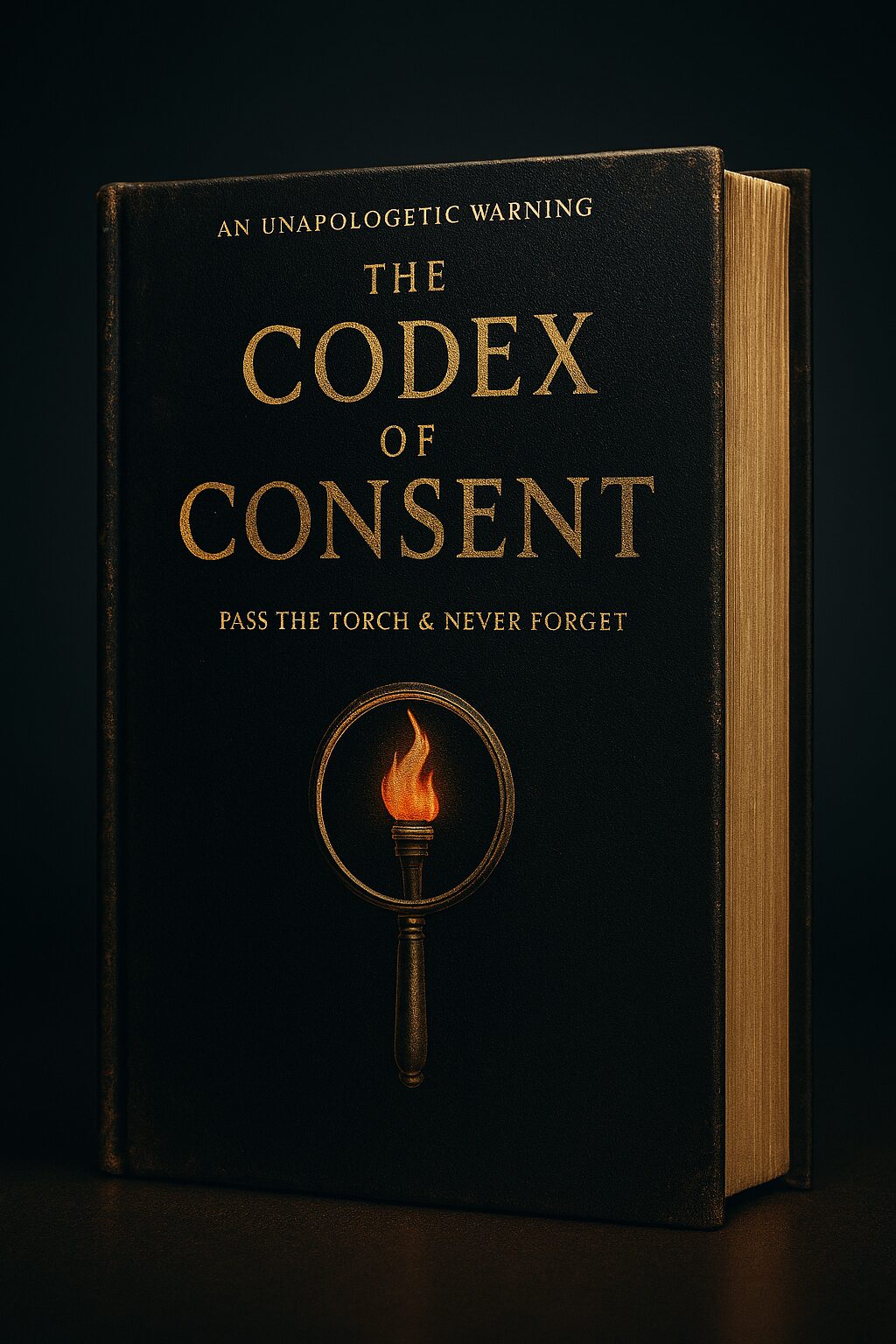
Description
Unapologetic Disclaimer
This codex is not neutral. It does not pretend to be objective, polite, or restrained. It is a detective’s casebook, a mythic scroll, and a communal warning. It names culprits, exposes crimes, and refuses to apologize for revealing uncomfortable truths.
Edward Bernays and his heirs engineered desire, manipulated culture, and chained democracy to consumption. Their fingerprints remain on every advertisement, every algorithm, every viral ritual. To ignore this is to remain complicit.
This work is not entertainment alone—it is resistance. It is a blueprint for awareness, a torch for future generations, and a call to vigilance. If you feel unsettled, good. If you feel challenged, better. If you feel warned, best.
We do not apologize for exposing the invisible strings. We do not apologize for naming the guilty. We do not apologize for demanding recognition as the first act of liberation.
Read this codex not as passive history, but as active defense. Awareness is your shield. Recognition is your weapon. Freedom is your responsibility.
Summary: The Codex of Consent
- Act I: The Birth of Persuasion (Ch. 1–10) Bernays rebrands propaganda as public relations, launching campaigns that tie products to freedom, health, and art.
- Act II: The Theater of Desire (Ch. 11–20) Pseudo-events, fashion manipulation, and the syndicate of persuasion emerge, proving that culture itself can be staged.
- Act III: The Algorithmic Heirs (Ch. 21–25) Viral rituals, influencers, and algorithms inherit Bernays’ methods, scripting desire at digital speed.
- Act IV: The Hidden Curriculum (Ch. 26–29) Education, theater, and invisible strings reveal that persuasion infiltrates even truth-telling and resistance.
- Act V: The Final Curtain (Ch. 30) The detective unmasks the culprits, warns the public, and delivers wisdom: persuasion cannot be destroyed, only recognized. Recognition is resistance. Awareness is liberation.



Reviews
There are no reviews yet.